
1. Concept and brief
It starts with what you actually need: how you work, how much space, the gear that has to fit, how you expect to grow. That brief turns into an early concept and a rough budget. Getting this stage right saves the most money, because it is far cheaper to change a plan on paper than a building on the ground.
2. Design and consent
The concept is developed into proper drawings and the consent work begins. Depending on the site and the use, that can mean resource consent as well as building consent, and it can pull in engineers, planners and the council. This stage sets the real timeline, and it is where a managed build earns its keep, keeping the paperwork moving so the project does not stall waiting on approvals.
3. Pricing and programme
Once the design is settled, it gets priced properly and locked into a programme. You should come out of this stage with a clear cost and a realistic schedule, not a rough guess. Knowing both up front is what lets you plan your move and your cash flow with confidence.
4. Construction
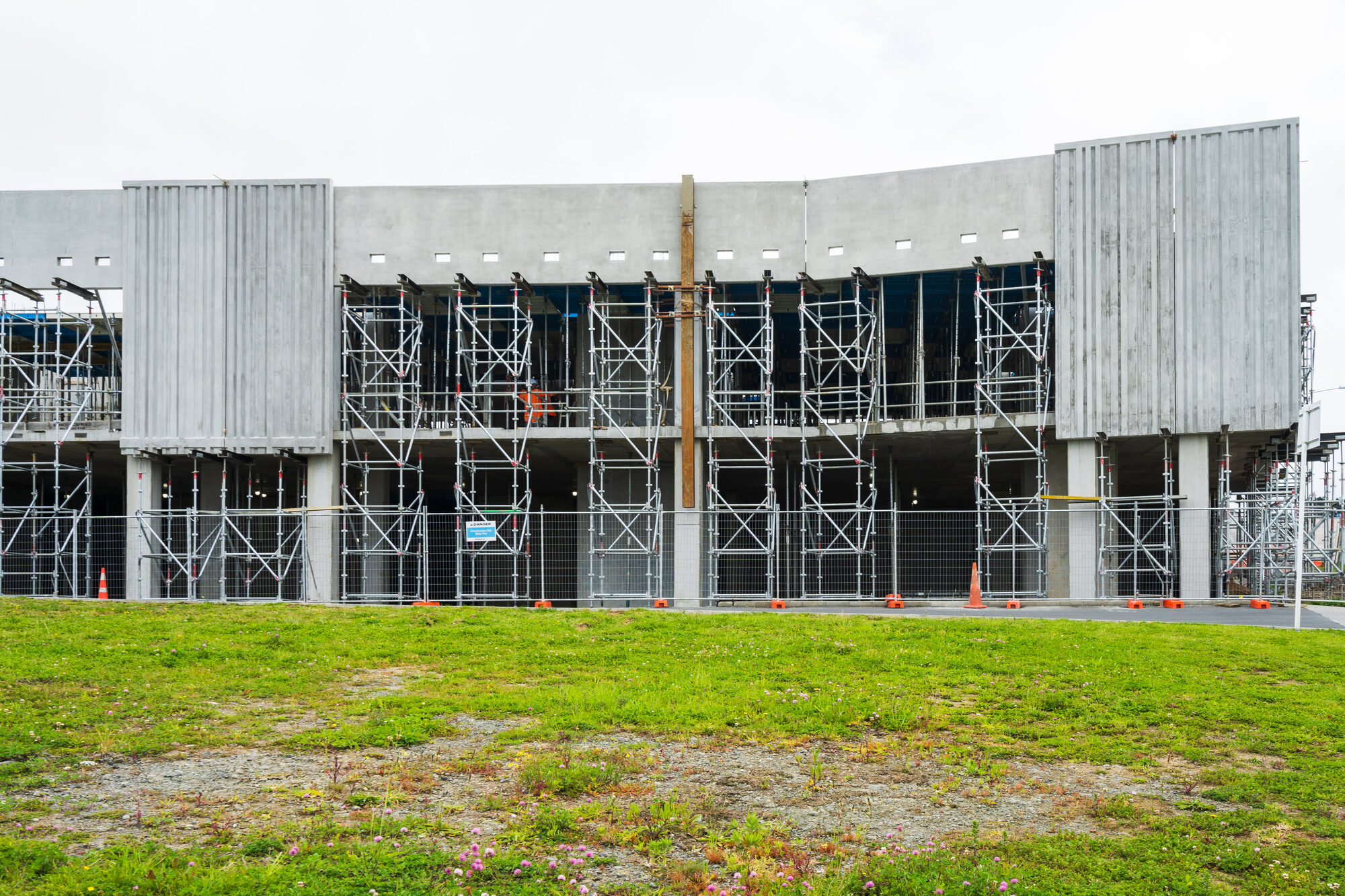
Then the building goes up. Site works, foundations, structure, cladding, roof, then the services and the interior. Through all of it someone is managing the trades, the order of works, the inspections and the inevitable questions that come up on site. That coordination is the difference between a build that runs to plan and one that drifts.
5. Fit-out and compliance
Near the end the building is fitted out for how you actually work, and it goes through the compliance checks. The council signs off the building consent and issues the code compliance certificate, which is the document that says the building is safe and legal to use. Nothing is truly finished until that certificate is in hand.
6. Handover
Finally you get the keys, the paperwork and a building ready to work in. That is the turnkey part, and it only feels simple because the complicated bit was handled for you.
The short version
- Concept and brief set the direction and the budget
- Design and consent set the real timeline
- Pricing and programme give you certainty before work starts
- Construction needs steady coordination day to day
- Code compliance is the sign-off that matters
A managed build is designed so you carry the brief and the decisions, not the coordination. If you are weighing up a new premises and want to understand what it would take, we are happy to walk you through it.